What is vacuum excavation and how does it work?
Vacuum excavation is a controlled digging method that uses pressurised air or water to loosen soil before a powerful vacuum removes the resulting material. This allows buried pipes, cables and other utilities to be exposed with greater precision than conventional mechanical excavation. It is commonly used for potholing, trenching and utility locating where reducing the risk of damage to underground infrastructure is a priority.
How vacuum excavation works
- The work area is identified. Available plans, service information and surface markings are reviewed before excavation starts.
- Soil is loosened. A water lance or compressed-air tool breaks the ground into removable material.
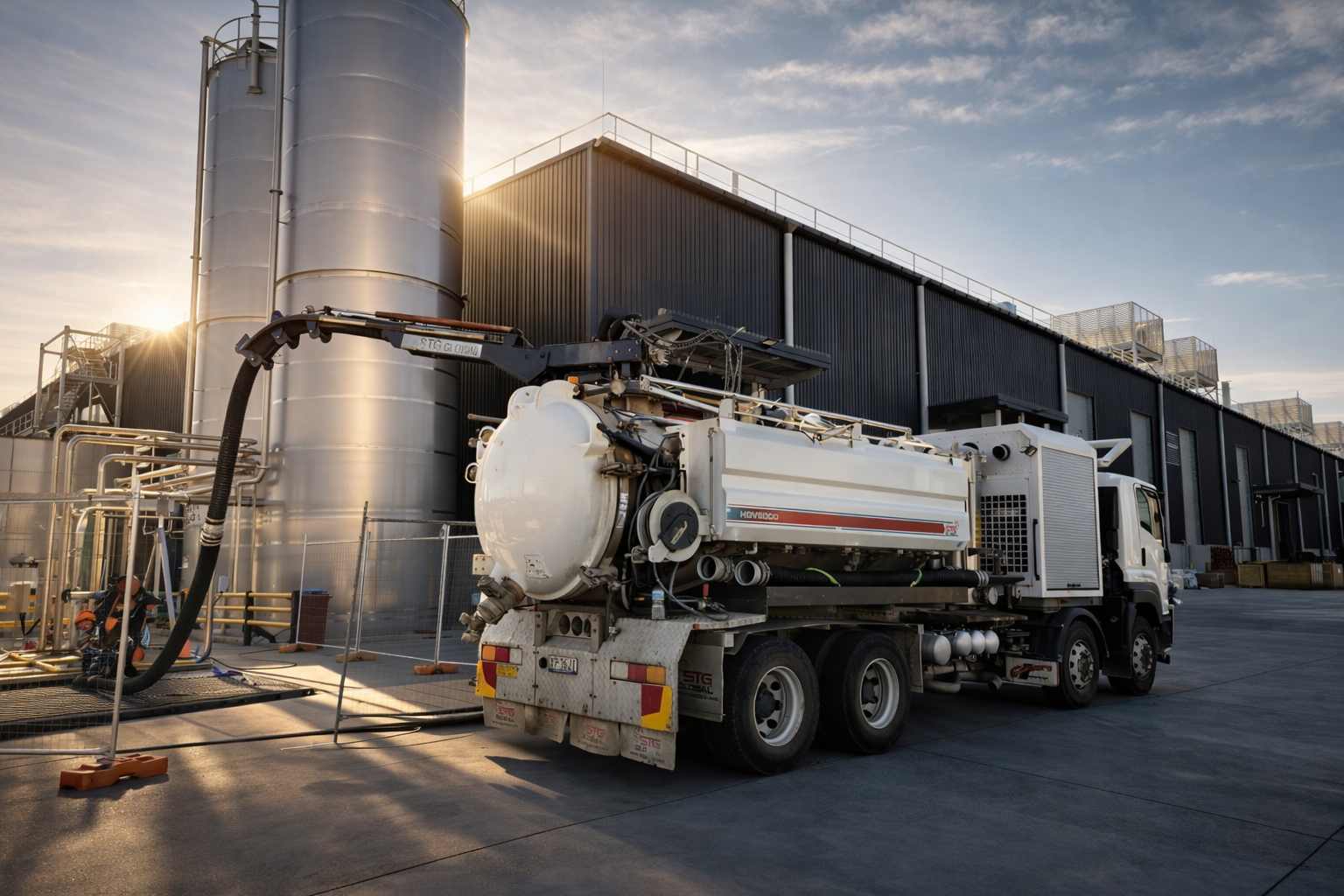
- The material is vacuumed away. A large suction hose transfers the soil, slurry and loose debris into the truck’s debris tank.
- The asset is exposed progressively. The operator removes material in controlled stages until the required utility or excavation depth is reached.
- Spoil is transported. Collected material is taken to an appropriate receiving or treatment facility.
What is hydro excavation?
Hydro excavation is the most common form of vacuum excavation. It uses pressurised water to cut through soil, including compacted ground. The resulting slurry is collected by the vacuum truck.
Because there is no direct contact from a mechanical bucket or blade, hydro excavation can reduce the likelihood of damaging properly identified underground services.
What is air excavation?
Air excavation uses compressed air instead of water to loosen the soil. In suitable ground, the removed material may remain relatively dry and could be reused, subject to project and contamination requirements. Air systems may work more slowly in hard or highly compacted soil.
What is vacuum excavation used for?
- Utility locating and physical service verification
- Potholing around pipes, cables and conduits
- Slot trenching for new services
- Pipeline and conduit exposure
- Excavation in tight or congested work areas
- Pit, manhole and drainage cleaning
- Removing soil around tree roots
- Supporting repairs to urban infrastructure
Why use vacuum excavation instead of mechanical digging?
Mechanical excavation remains suitable for many bulk earthworks, but it is less precise around known or suspected services. Vacuum excavation offers a smaller excavation footprint, controlled material removal and better visibility as the asset is uncovered.
These advantages can reduce unnecessary ground disturbance, spoil around the work area and the amount of reinstatement needed afterward.
Does vacuum excavation eliminate every risk?
No excavation method is risk-free. Safe work still requires planning, service information, competent operators, suitable exclusion zones and compliance with project procedures. Unknown utilities, ground contamination, unstable excavation walls and traffic conditions must all be considered.
What happens to the excavated material?
Hydro excavation produces slurry that is stored in the debris tank. Air excavation generally produces drier spoil. The handling route depends on the material, project requirements and whether contamination is present.
Frequently asked questions
Is vacuum excavation the same as NDD?
NDD, or non-destructive digging, commonly uses vacuum excavation to expose utilities with less risk of mechanical damage.
Can vacuum excavation create trenches?
Yes. It can form narrow slot trenches for pipes, cables and conduits, depending on depth, ground and project requirements.
Can it be used in restricted areas?
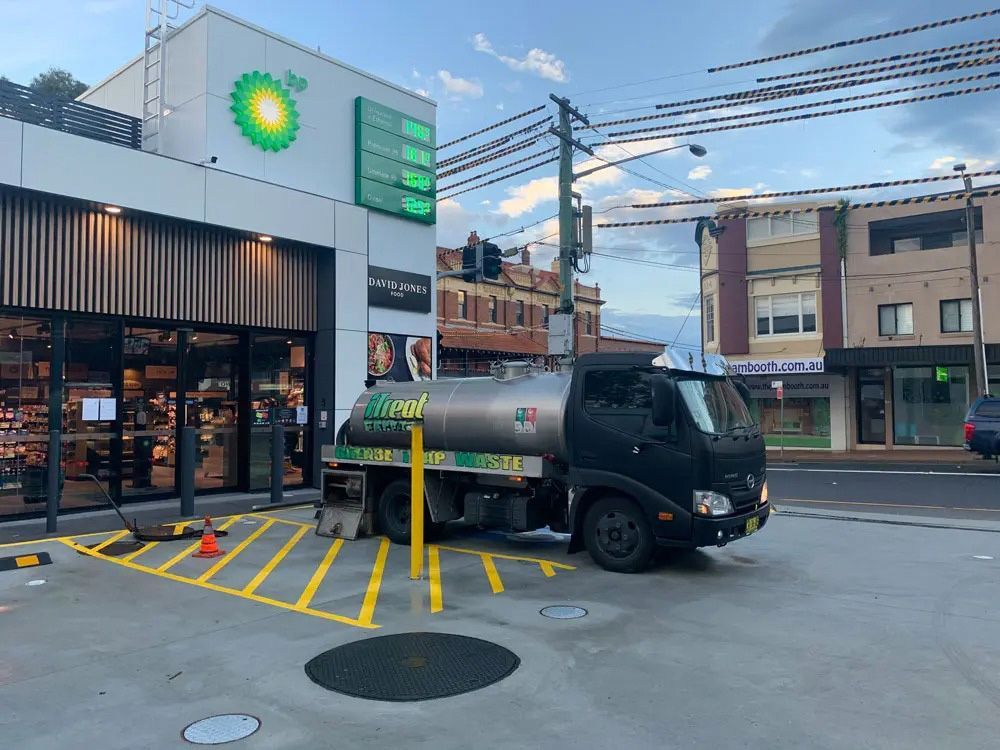
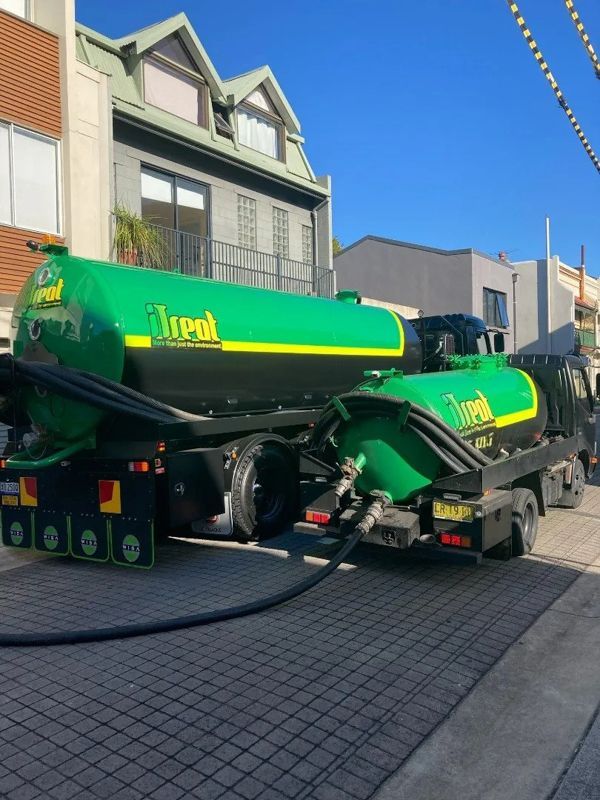
Often. The truck may remain at an accessible position while hoses extend to the excavation point, subject to equipment reach and site conditions.
Arrange vacuum excavation in Sydney
iTreat provides non-destructive digging and hydro excavation for civil, industrial and commercial projects. Contact our team to discuss your work area and underground service requirements.