Vacuum excavation, hydro excavation and NDD: What is the difference?
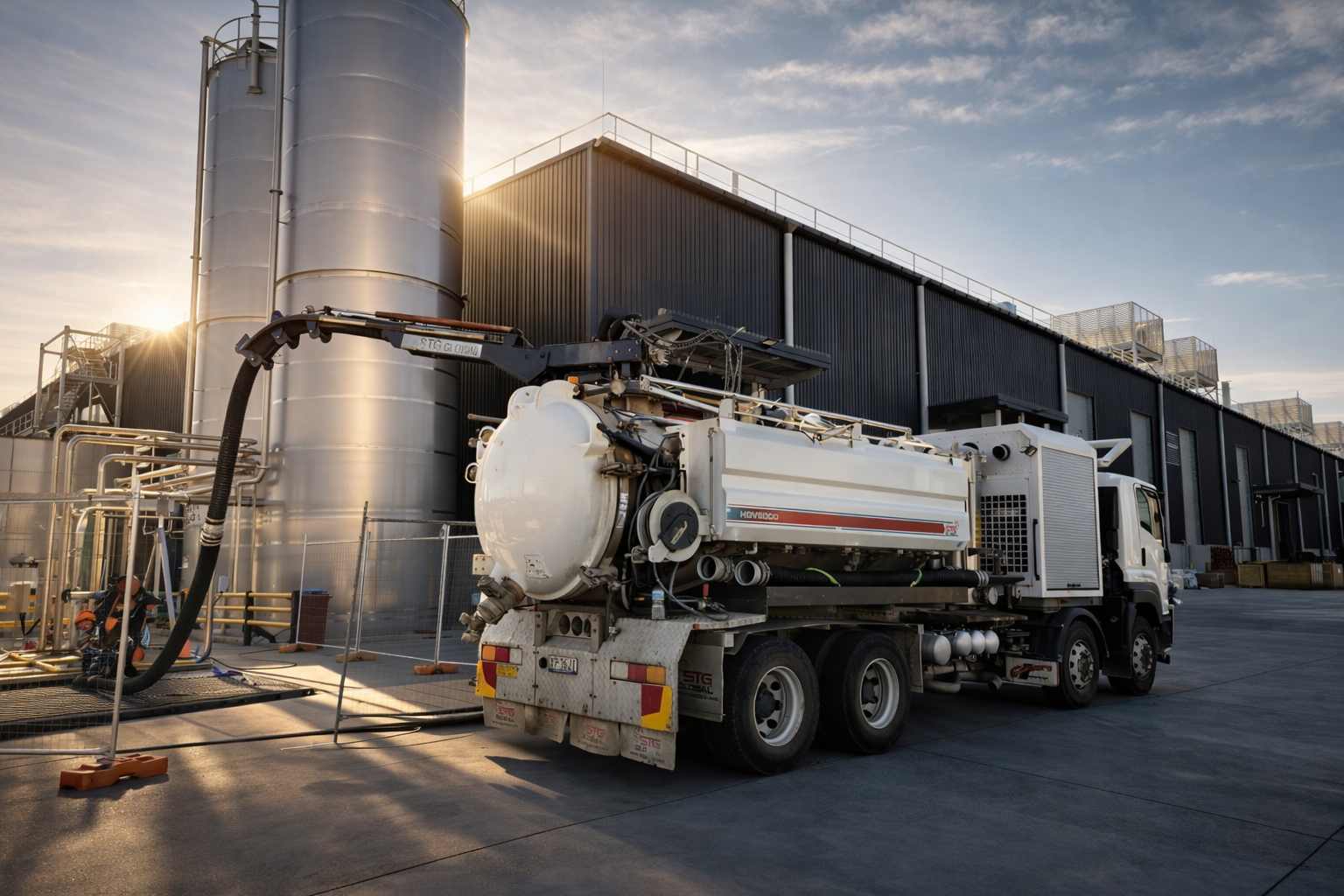
Vacuum excavation, hydro excavation and non-destructive digging—or NDD—are closely related terms, but they do not always describe exactly the same process. Vacuum excavation is the broader method of loosening and removing soil using suction, while hydro excavation specifically uses pressurised water to break up the ground. NDD describes the safer, controlled approach used to expose underground services with less risk of damage than conventional excavation.
Why the terms are often confused
Contractors and asset owners frequently use vacuum excavation, hydro excavation, hydro-vac and NDD to describe similar work. The terms overlap because the same truck may use water to loosen soil and vacuum to collect the excavated material.
The difference is mainly whether the term refers to the overall process, the medium used to break the ground or the purpose of the excavation.
What is vacuum excavation?
Vacuum excavation is the umbrella term. Soil is loosened using water or air, then removed through a suction hose into a debris tank. The operator can expose the ground progressively without relying on a mechanical bucket at the target point.
What is hydro excavation?
Hydro excavation uses pressurised water to break up the soil. It is effective in compacted ground and produces a slurry that is collected by the vacuum truck. The method is widely used for potholing, service exposure, slot trenching and pit cleaning.
What is air excavation?
Air excavation uses compressed air to loosen the ground. The spoil remains drier than hydro-excavated material and may be easier to reuse when suitable. Performance depends on the soil type, compaction and available equipment.
What is non-destructive digging?
Non-destructive digging describes excavation intended to minimise the likelihood of damaging buried infrastructure. NDD usually relies on hydro or air excavation combined with vacuum removal, particularly near pipes, cables and conduits.
The word “non-destructive” does not mean the job requires no controls. Operators still need service information, safe work procedures and careful excavation around exposed assets.
Comparison table
| Term | What it describes | Typical use |
|---|---|---|
| Vacuum excavation | The overall excavation and suction process | Utility exposure, potholing, trenches and cleaning |
| Hydro excavation | Vacuum excavation using pressurised water | Compacted soil and precise excavation |
| Air excavation | Vacuum excavation using compressed air | Targeted work where drier spoil is beneficial |
| NDD | The low-impact excavation objective | Working around buried pipes, cables and conduits |
Which method should a project use?
The decision depends on ground conditions, depth, available water, spoil handling, access and the infrastructure being exposed. Hydro excavation may be preferred for hard ground, while air excavation may suit work where retaining drier soil is important.
For many Sydney projects, the provider assesses the site and selects an appropriate hydro-vac setup rather than asking the client to specify every technical detail.
Questions to discuss before booking
- What needs to be exposed or excavated?
- Are underground service plans and markings available?
- What are the expected depth and ground conditions?
- How close can the truck park to the dig point?
- Is there room for hoses and a controlled work area?
- Could the excavated material be contaminated?
- How will slurry or spoil be transported and managed?
Frequently asked questions
Is hydrovac one word?
Hydrovac, hydro vac and hydro-vac are commonly used variations referring to hydro excavation equipment or services.
Is NDD always completed with water?
No. NDD may use water or air, depending on the ground, equipment and project requirements.
Is vacuum excavation suitable for bulk earthworks?
It is generally chosen for targeted, precise excavation rather than high-volume bulk digging.
Choose the right excavation approach
iTreat provides NDD and vacuum excavation together with hydro excavation services across Sydney. Send us your project details and our team will help plan an appropriate method.