What happens if an oil-water separator is not regularly maintained?
Without regular maintenance, an oil-water separator can gradually fill with oil, sludge and sediment until it can no longer separate contaminants effectively. This may lead to blockages, unpleasant odours, overflow, equipment damage and contaminated wastewater entering the drainage system. Routine cleaning and pumping help protect the separator, reduce the risk of unexpected shutdowns and support more responsible wastewater management across the site.
The separator loses working capacity
Oil-water separators do not destroy the contaminants they capture. Oil remains at the surface and solids settle at the bottom until they are removed. As these layers grow, less space remains for incoming wastewater to slow down and separate.
Oil can pass through the system
When retained oil exceeds the unit’s capacity, some may travel beyond the intended separation stage. High flow, damaged components and emulsifying detergents can make this problem worse. Cleaning restores storage space, while further investigation may be needed if carryover continues.
Sludge can obstruct internal flow
Settled grit and solids may block channels, baffles, filters or coalescing components. Restricted flow can cause connected drains to empty slowly and may increase water levels elsewhere in the system.
Odours and poor site conditions develop
Old waste, stagnant water and trapped organic material can produce persistent smells. These conditions affect staff and customers and can make a workshop or wash area harder to operate professionally.
Overflow becomes more likely
A separator with reduced capacity has less room to handle sudden inflow. Heavy washing activity, rainfall entering an unsuitable system or an unexpected spill can push the unit beyond what it can retain.
Reactive cleaning causes greater disruption
Emergency work rarely occurs at a convenient time. Access may need to be stopped, wash-down activities suspended and staff redirected while the issue is controlled. Planned servicing allows the business to choose a practical window and prepare the site beforehand.
Wastewater compliance risk increases
Businesses are responsible for managing the wastewater produced by their activities under the arrangements that apply to their site. A poorly maintained separator may not perform as expected, increasing the risk that unsuitable material moves beyond the treatment system.
How regular maintenance helps
- Preserves treatment and storage capacity
- Removes oil and sludge before they obstruct the system
- Makes pump-out timing more predictable
- Helps identify damaged or blocked components
- Reduces the chance of urgent overflow response
- Creates a service history that supports better planning
What does a preventive service include?
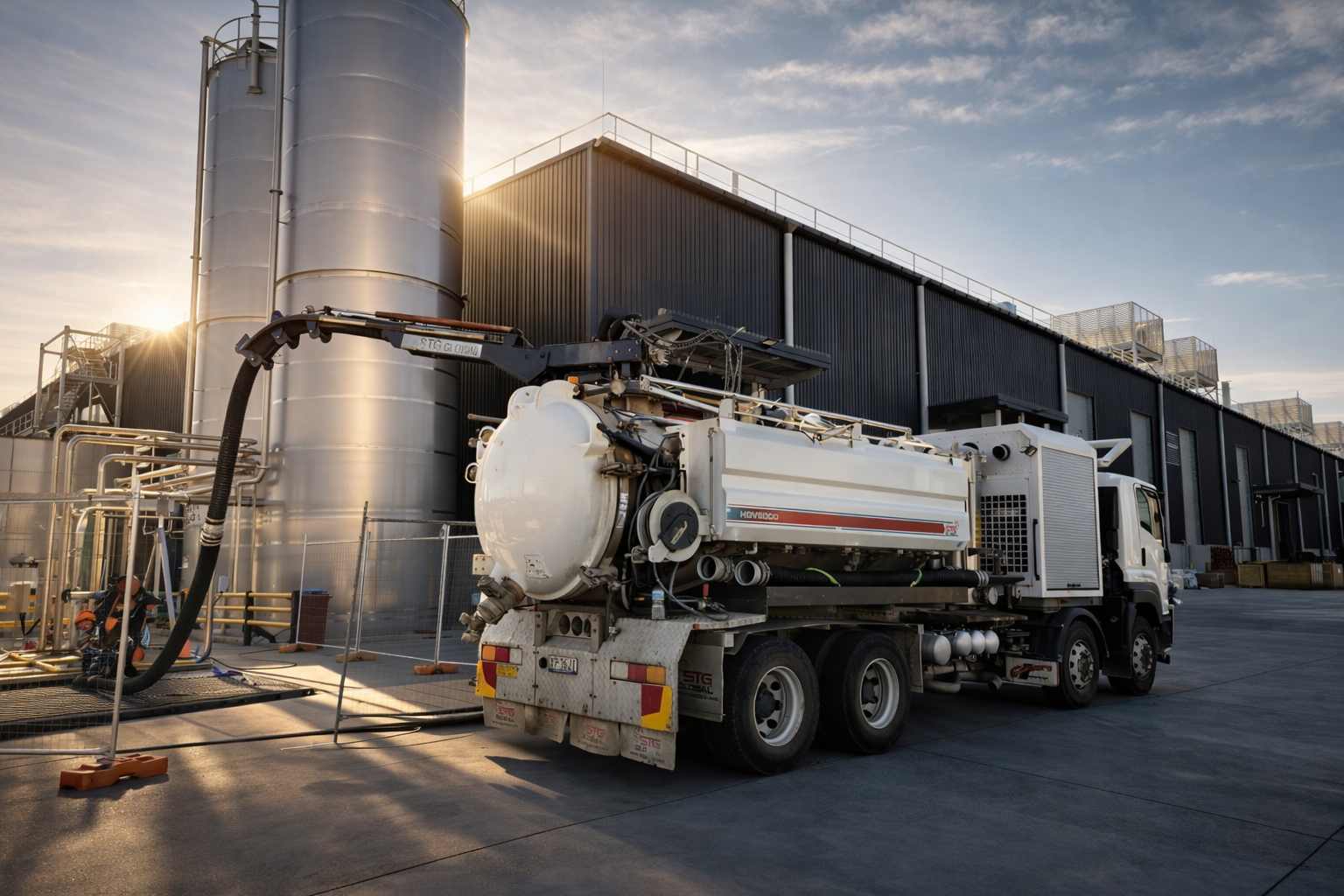
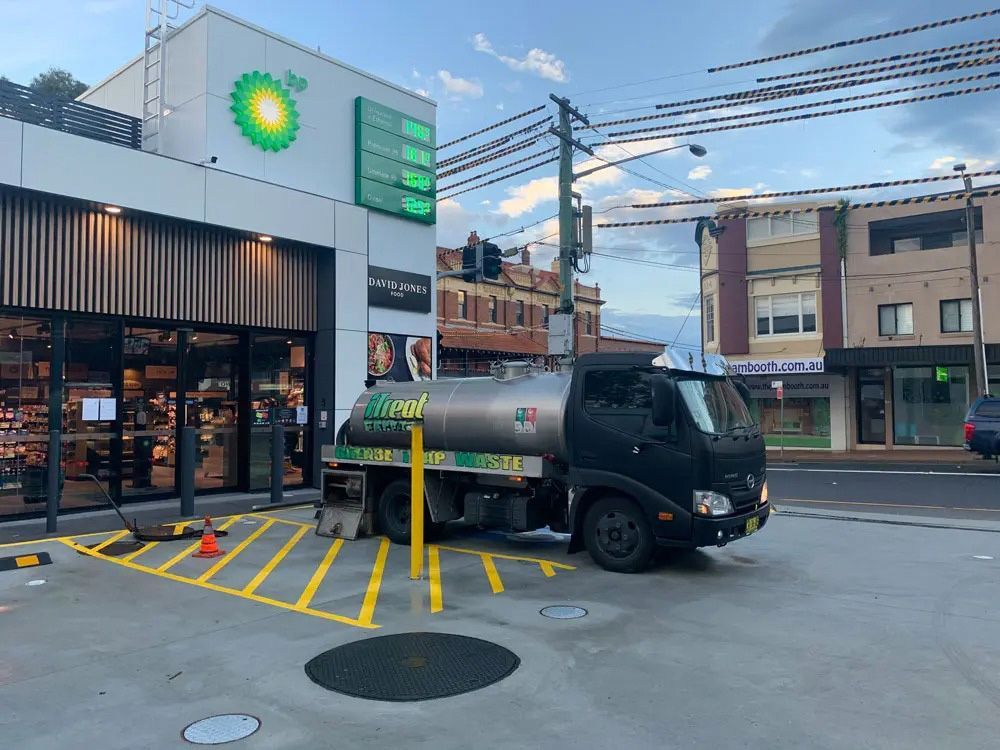
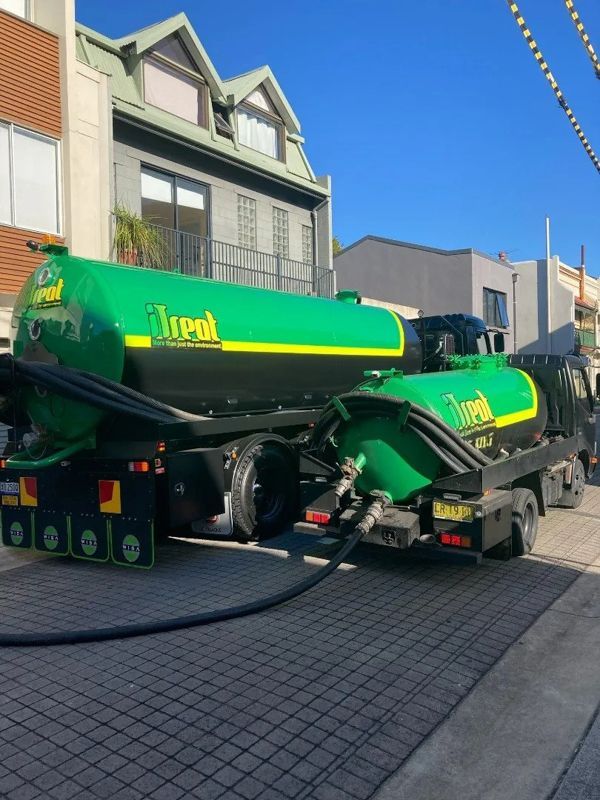
Depending on the separator, work may include waste-level assessment, vacuum pump-out, chamber cleaning, sludge removal, filter or media checks and appropriate transport of the collected waste. Maintenance should reflect the manufacturer’s guidance and the site’s wastewater conditions.
Frequently asked questions
Can maintenance be delayed if the separator still drains?
Normal drainage does not prove adequate treatment capacity. Oil and sludge levels should be inspected rather than relying only on visible performance.
Do low-use systems still need servicing?
Yes. They may require less frequent pump-outs, but inspection is still important because waste can accumulate over time.
What if the separator fills unusually quickly?
Review recent site activity, spills, wash-down practices and system condition. The servicing interval may need adjustment, or another issue may be increasing the load.
Prevent avoidable separator problems
iTreat provides separator cleaning and maintenance for industrial and commercial facilities across Sydney. Speak with our team about a one-off pump-out or planned servicing.