How does a vacuum truck work and what can it remove?
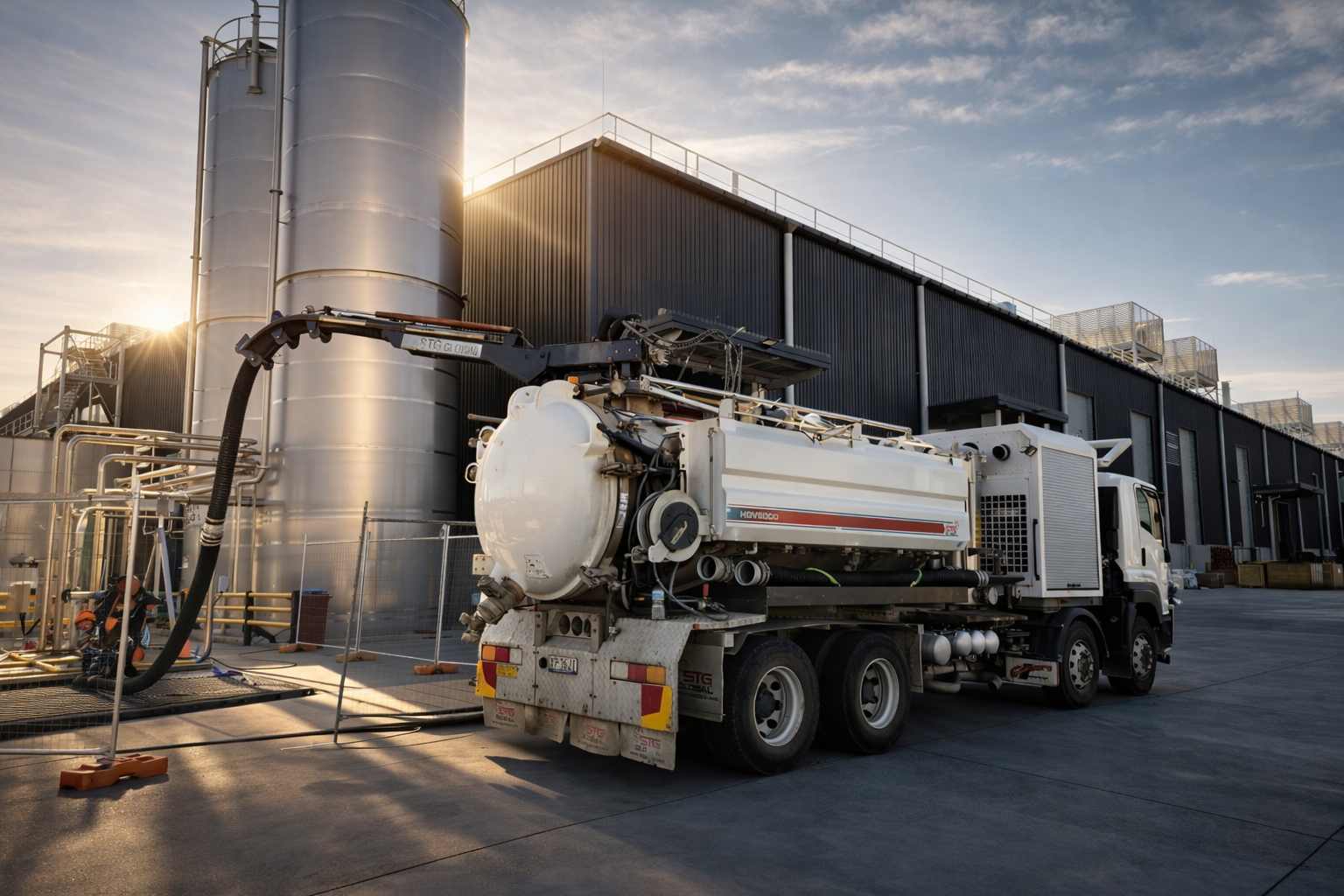
A vacuum truck uses a powerful suction system to collect liquid waste, sludge, sediment and other pumpable materials from pits, tanks, drains and industrial equipment. The waste travels through a heavy-duty hose into a sealed tank, where it can be safely contained for transport to an appropriate facility. This makes vacuum trucks a practical solution for cleaning difficult-to-access areas and managing a wide variety of wet waste materials.
How does a vacuum truck create suction?
The truck’s vacuum system removes air from the collection tank. This creates a pressure difference between the tank and the material outside it. When the suction hose is opened, atmospheric pressure helps push the waste through the hose and into the tank.
The operator controls the hose, valves and vacuum level throughout the job. Once the tank reaches its safe operating capacity, it is secured for transport and emptied using the truck’s designated discharge system.
What can a vacuum truck remove?
Suitable material depends on the truck, tank, hose setup and waste classification. Common applications include:
- Oily water and separator waste
- Grease trap contents
- Septic and sullage waste
- Stormwater and floodwater
- Wastewater from pits, sumps and tanks
- Sludge, slurry and settled sediment
- Wash-bay and workshop waste
- Loose debris generated by hydro excavation
A provider should assess the waste before collection. Hazardous, reactive, highly viscous or unknown materials may require specialised equipment, testing or a different handling process.
Where are vacuum trucks commonly used?
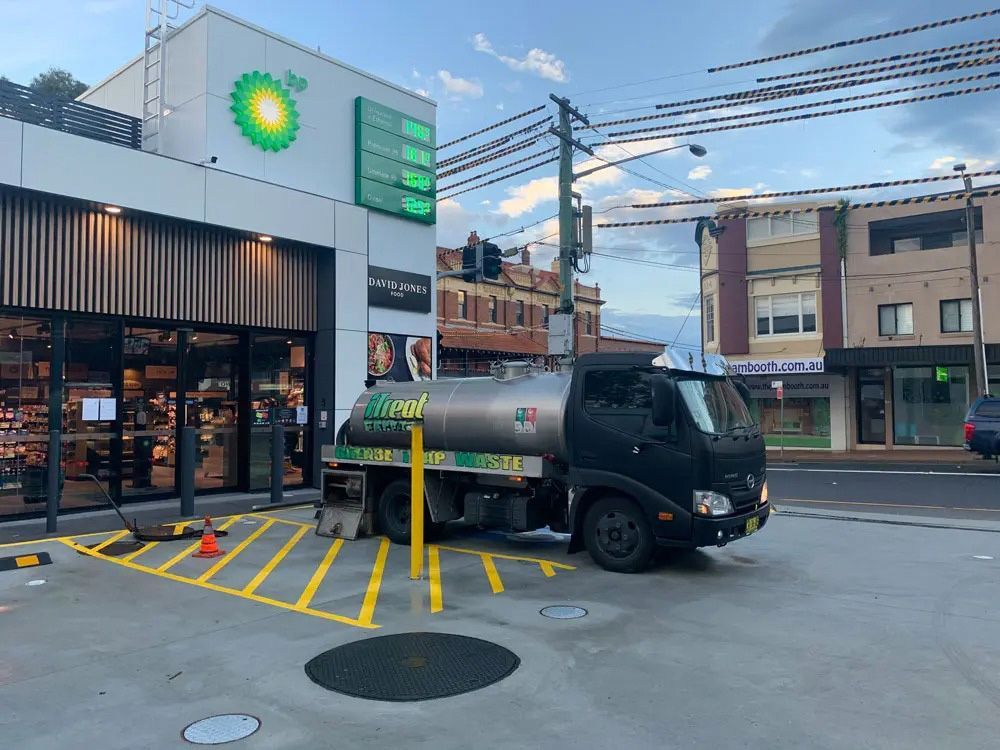
Vac trucks support restaurants, workshops, industrial facilities, construction projects, councils, commercial properties and residential sites with on-site wastewater systems. They are particularly useful when waste sits below ground, cannot be moved safely by conventional pumps or must be contained during transport.
What happens during a typical pump-out?
- Job assessment: The provider confirms the waste type, estimated volume, site access and collection point.
- Site setup: The truck is positioned safely, hoses are laid out and the work area is controlled.
- Vacuum extraction: Liquid and pumpable solids are drawn into the sealed tank.
- Cleaning where required: Accessible chambers or components may be washed or cleared as part of the booked scope.
- Transport: The collected material is secured and taken to an appropriate receiving or treatment facility.
- Job completion: Equipment is removed and service documentation is completed where applicable.
What affects suction performance?
Hose length, vertical lift, waste thickness, solid content, air leaks and the capability of the selected truck all influence performance. Good access allows the vehicle to sit closer to the collection point, reducing hose runs and helping the job proceed efficiently.
How should a site prepare?
- Identify the waste source and estimated quantity
- Confirm clear access and truck parking
- Locate lids, pits, tanks and inspection points
- Advise the provider about height, weight or traffic restrictions
- Share known safety hazards and recent waste inputs
- Keep unrelated workers away from the pump-out area
Frequently asked questions
Can a vacuum truck remove dry material?
Some units can collect dry or semi-dry material, but suitability depends on the equipment and waste. Confirm the material in advance.
How far can the hose reach?
Reach varies with the truck, hose availability, lift and material. Provide access details so the operator can assess the setup.
Does the truck dispose of the waste?
A complete service includes transport to an appropriate receiving, treatment or disposal facility for the collected waste.
Need a vacuum truck in Sydney?
iTreat provides vacuum truck hire and liquid waste services across Sydney. Contact our team with the waste type, volume and access details to arrange a suitable service.