Oil-water separator vs grease trap: What is the difference?
Oil-water separators and grease traps both remove contaminants from wastewater, but they are designed for different waste streams and operating environments. Oil-water separators generally manage petroleum-based oils, fuels and sediment from industrial or automotive sites, while grease traps capture fats, oils and food solids from commercial kitchens. Choosing the correct system is essential for effective wastewater treatment, reliable drainage and appropriate waste management.
What does an oil-water separator handle?
Oil-water separators are commonly installed where wastewater may contain fuels, lubricants, hydraulic oils and sediment. Typical locations include automotive workshops, transport depots, industrial wash bays, service facilities and equipment maintenance areas.
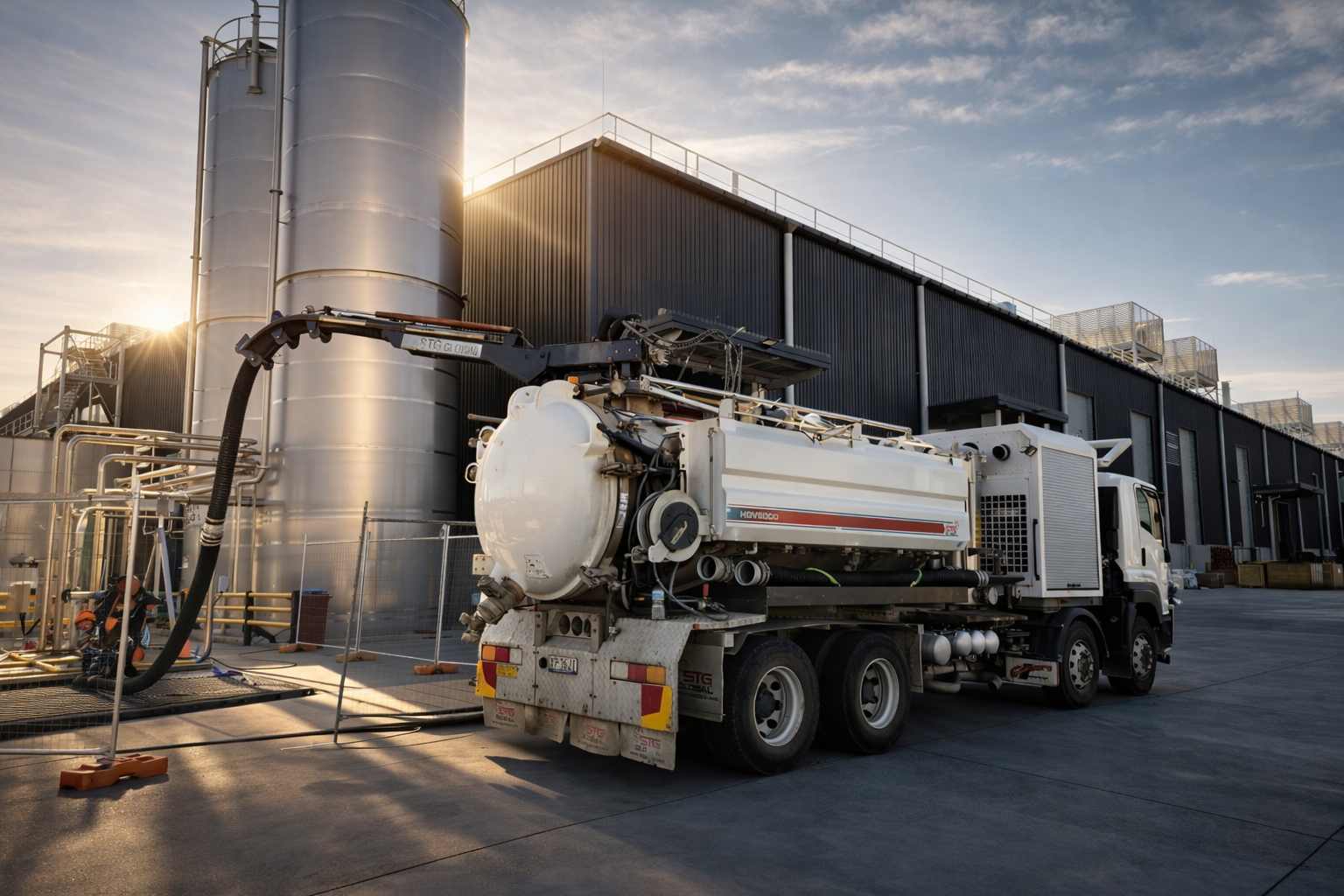
The system slows the flow so free oil can rise and heavier solids can settle. Some separators include coalescing media that encourages small oil droplets to combine. The retained oily water and sludge must be removed through scheduled servicing.
What does a grease trap handle?
A grease trap is designed for food-service wastewater containing fats, oils and grease, often shortened to FOG. It is typically connected to sinks and equipment in restaurants, cafés, commercial kitchens and food-processing environments.
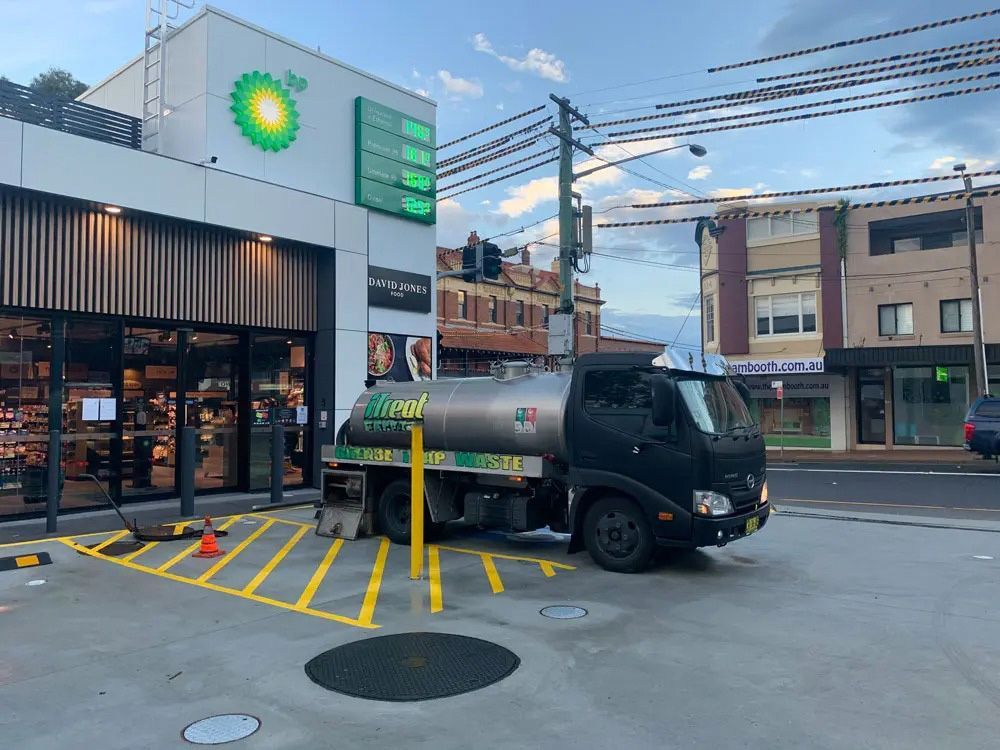
As the wastewater cools and slows, grease floats while food solids settle. The remaining water continues through the approved drainage arrangement. The trapped grease and solids require regular pump-out and cleaning.
Key differences at a glance
| Feature | Oil-water separator | Grease trap |
|---|---|---|
| Main contaminants | Petroleum oils, fuels, lubricants and sediment | Animal fats, vegetable oils, grease and food solids |
| Common sites | Workshops, wash bays, depots and industrial facilities | Restaurants, cafés, commercial kitchens and food premises |
| Typical wastewater | Vehicle, equipment and industrial wash water | Kitchen sinks and food-preparation wastewater |
| Retained waste | Oily liquid and sludge | FOG and food solids |
| Servicing method | Vacuum pump-out, cleaning and component checks | Vacuum pump-out and thorough internal cleaning |
Why the systems are not interchangeable
Petroleum oils behave differently from kitchen fats and grease. Detergents, temperature, flow rate and the type of solids entering the wastewater also affect separation. Installing or using the wrong system can lead to poor treatment, frequent blockages and unsuitable discharge.
The correct system should be selected according to the activities on the site, the characteristics of the wastewater and the approval requirements applying to that property.
Can one business need both systems?
Yes. A facility with a commercial kitchen and a vehicle wash area may generate two distinct waste streams. Kitchen wastewater may require a grease trap, while workshop or wash-bay wastewater may require an oil-water separator. The streams should be directed through the appropriate systems rather than combined without proper assessment.
How do maintenance needs compare?
Both systems lose capacity as retained waste accumulates. The correct pump-out frequency depends on system size, usage and incoming waste load. Routine inspections and service records help identify an appropriate schedule.
Frequently asked questions
Can an oil-water separator remove cooking grease?
It should not be assumed to do so. Food-service wastewater should be directed through a system designed and approved for fats, oils and grease.
Can a grease trap treat workshop wastewater?
No. A grease trap is not designed as a replacement for an industrial oil-water separator.
Who can help identify the installed system?
Check site plans, equipment labels and wastewater approvals. A servicing provider can inspect the unit, but system design questions may require the manufacturer, plumber or wastewater authority.
Arrange the right pump-out service
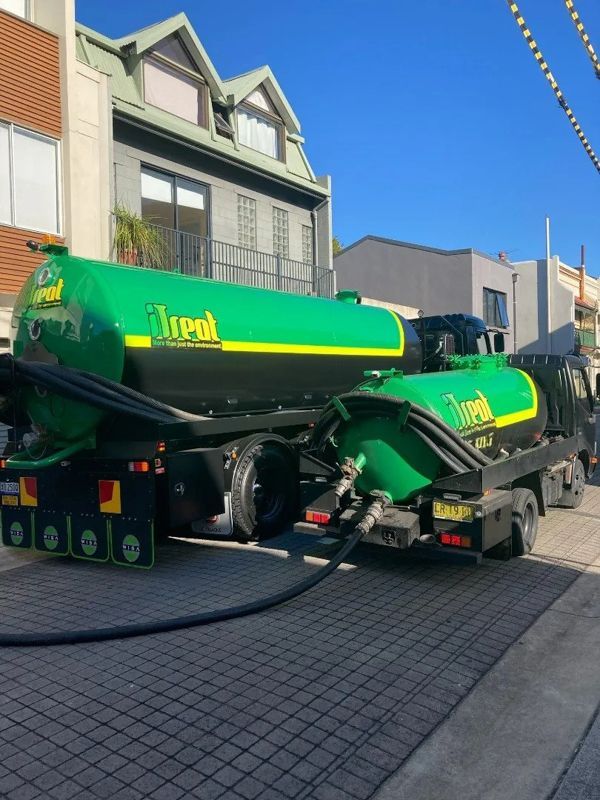
iTreat provides both oil-water separator cleaning and grease trap pump-outs across Sydney. Contact us to discuss the system at your property.