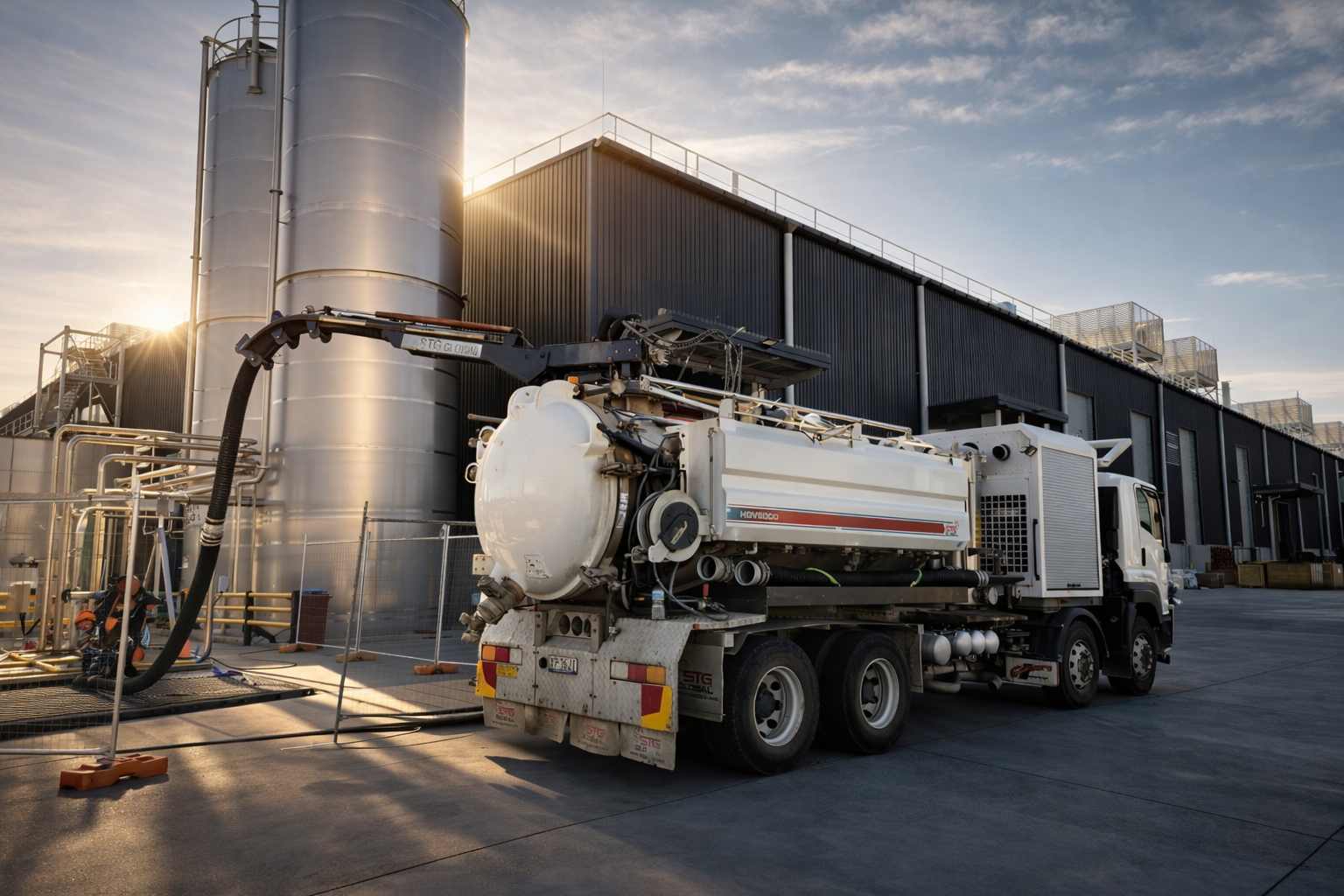
What are the signs an oil-water separator needs pumping out?
An oil-water separator will usually show warning signs when accumulated oil, sludge or sediment is beginning to affect its performance. Slow drainage, unpleasant odours, visible oil in discharged water and unusually high waste levels can all indicate that the unit needs attention. Recognising these signs early allows the separator to be inspected and pumped out before it becomes blocked, overflows or causes wider wastewater management issues.
High retained oil levels
A growing oil layer is one of the clearest indicators that servicing is approaching. The separator is designed to retain oil, but its storage capacity is limited. Once too much oil accumulates, there is a greater chance of it carrying through with the outgoing water.
Heavy sludge at the bottom of the unit
Sand, dirt, grit and other solids settle inside the separator. This sludge occupies treatment space and can obstruct internal flow paths. Sites with vehicle washing, outdoor work or sediment-heavy wastewater may accumulate sludge particularly quickly.
Slow drainage or water backing up
Wash bays and connected drains may empty more slowly when the separator, filters or associated pipework are restricted. A backup can indicate that the system needs attention, although blockages elsewhere in the drainage network should also be considered.
Persistent odours
Strong oily, stagnant or wastewater smells around the separator can indicate retained waste has been sitting too long or that organic material is present. Odour alone does not diagnose the exact fault, but it is a reason to inspect the system promptly.
Overflowing or unusually high water levels
Water near the top of the chamber, repeated overflow or wastewater escaping from connected areas requires timely attention. The cause may be excessive inflow, blocked components, lost capacity or a downstream restriction.
Separator alarms or monitoring alerts
Some systems include oil-level, sludge-level or high-water alarms. An alarm should be investigated according to the system instructions rather than repeatedly reset without checking the underlying condition.
Visible oil after the separation stage
Oil appearing where treated water should leave the system may indicate excessive retained oil, damaged components, unsuitable flow conditions or an emulsified waste stream the unit cannot treat effectively. A service provider can clean the unit, but the cause may also require further assessment.
Maintenance records show the service is due
A separator does not need to display a fault before it is pumped out. If inspection history shows consistent accumulation over a known period, planned cleaning should occur before operational warning signs develop.
What should you do when these signs appear?
- Reduce or stop additional wastewater entering the unit if there is an immediate overflow risk.
- Check any visible alarms and accessible inspection points without entering the system.
- Record the symptoms, timing and recent site activities.
- Arrange professional inspection and pump-out.
- Review the maintenance interval if the separator filled earlier than expected.
Frequently asked questions
Can staff pump out the separator themselves?
Separator waste can contain oils, contaminated water and sludge requiring suitable vacuum equipment, transport and disposal arrangements. Professional servicing is the safer practical option.
Will pumping out fix every separator problem?
No. Pumping restores capacity, but damaged components, unsuitable detergents, excessive flow or an incorrect system design may require separate action.
Should an overflowing separator be treated as urgent?
Yes. Stop additional inflow where safe to do so and arrange prompt assistance to limit further release and site disruption.
Arrange a pump-out before capacity is lost
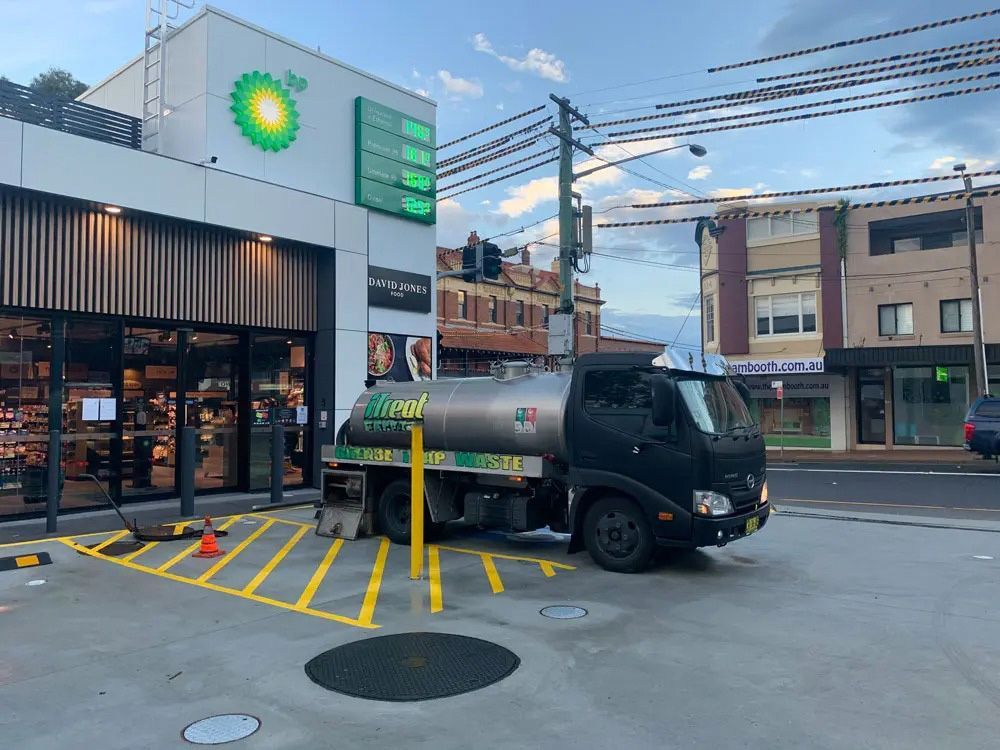
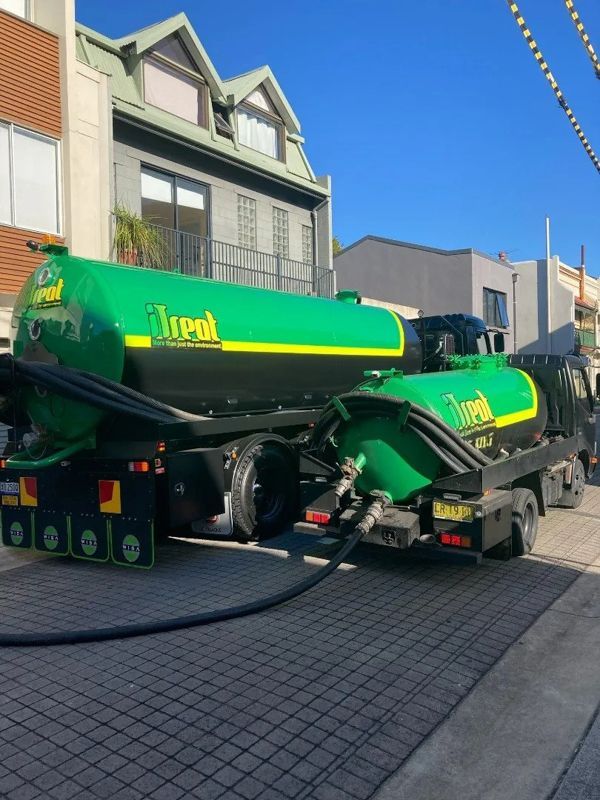
iTreat provides oil-water separator pump-outs across Sydney using equipped vacuum trucks. Contact us if your system is showing warning signs or needs scheduled maintenance.