How often should an oil-water separator be cleaned and maintained?
Oil-water separators require regular inspection, cleaning and maintenance to continue operating effectively, but the right schedule depends on the system’s size, wastewater volume and the amount of oil and sediment it collects. High-use industrial and commercial sites may need more frequent servicing than facilities with lighter wastewater loads. A planned maintenance schedule helps prevent excessive build-up, unexpected blockages and avoidable disruption to site operations.
Why maintenance frequency varies
A lightly used separator at a small facility will not fill at the same rate as a system serving a busy transport yard or wash bay. Two separators of the same size can therefore require very different maintenance programs.
The main factors include:
- The volume of wastewater entering the system
- The amount of oil, sediment and sludge generated
- Separator size and internal design
- Frequency of vehicle, equipment or floor washing
- Changes in production or site activity
- Detergents and chemicals used on the property
- Manufacturer instructions and site-specific wastewater requirements
Use inspections to set the cleaning schedule
A practical program combines routine inspection with planned pump-outs. Inspections help determine how quickly the oil layer and sludge level increase under normal operating conditions. Once this pattern is understood, servicing can be scheduled before the separator approaches a critical level.
Businesses should also reassess the interval after operational changes. Additional wash-downs, new equipment, higher vehicle throughput or changes to the waste stream can cause the system to fill faster than it did previously.
Warning signs that servicing may be overdue
- Persistent oily or wastewater odours
- Slow drainage from connected wash-down areas
- A visible increase in the retained oil layer
- Heavy sludge accumulation
- Frequent alarms where monitoring equipment is installed
- Water backing up or overflowing
- Visible oil passing beyond the expected separation stage
- Filters or coalescing components becoming blocked
These signs should not replace planned inspections. By the time performance changes become obvious, the system may already have lost a significant amount of usable capacity.
What happens during scheduled maintenance?
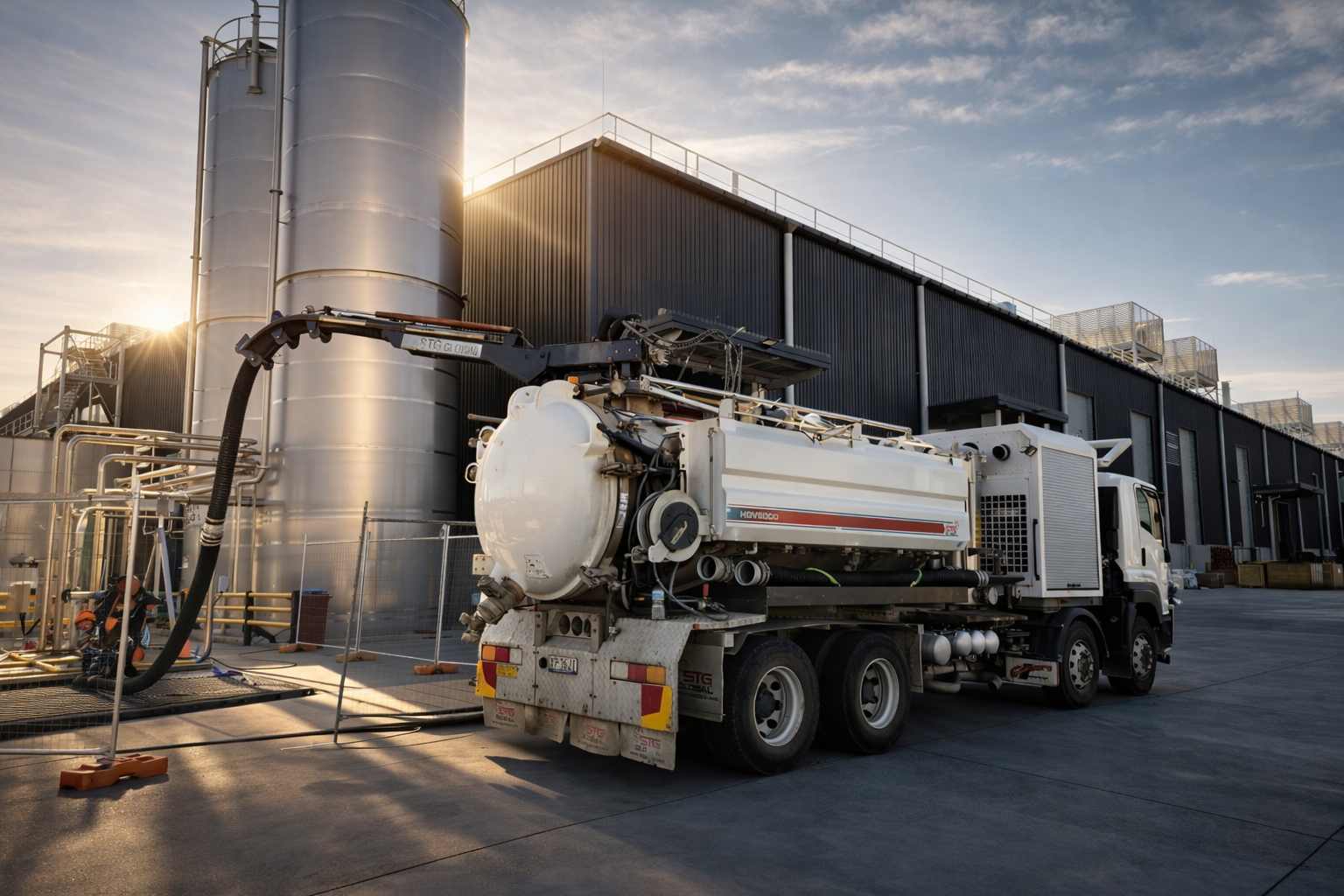
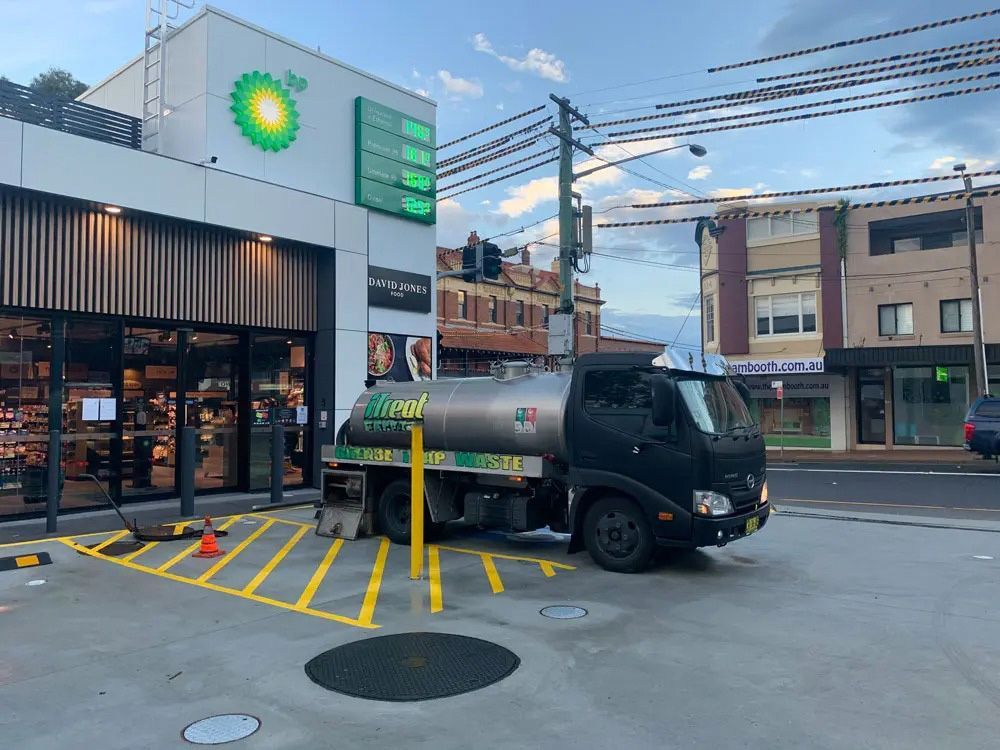
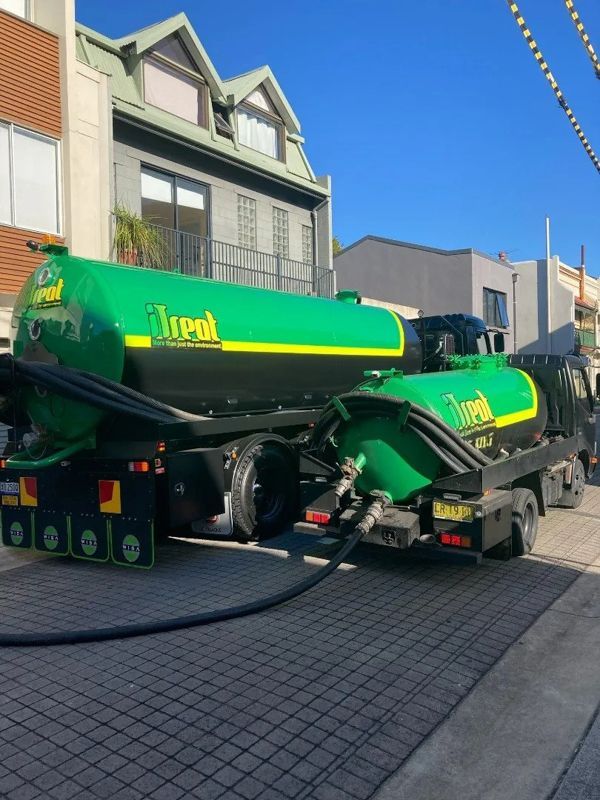
The exact procedure depends on the system, but servicing may include pumping out oily water, removing settled sludge, cleaning chambers, checking filters or coalescing media, inspecting accessible components and recording the work completed.
The collected material must then be transported for appropriate treatment or disposal. A complete service addresses both the separator and the waste removed from it.
Why planned servicing is better than waiting for a problem
Preventive maintenance gives a business more control over timing and access. It can be arranged around operating hours instead of being triggered by a blockage, overflow or urgent shutdown.
A planned program also makes changing waste volumes easier to identify. If a separator begins filling unusually quickly, the service history may help reveal a process change, spill, damaged component or unsuitable material entering the system.
Frequently asked questions
Can a separator simply be topped up after a pump-out?
Any refill or recommissioning steps should follow the system manufacturer’s requirements. The unit must be left in the correct operating condition after cleaning.
Should filters be replaced every time?
Not necessarily. Filters and coalescing components should be assessed according to their condition, design and manufacturer guidance.
Can servicing be arranged outside normal operating hours?
Scheduling options depend on access and provider availability. Discussing site constraints early helps minimise disruption.
Plan your separator maintenance with iTreat
iTreat provides oil-water separator pump-outs and maintenance for Sydney businesses. Get in touch to discuss the system, waste volume and a suitable servicing approach.