What is an oil-water separator and how does it work?
An oil-water separator is a specialised system designed to remove oils, fuels, grease and suspended solids from wastewater before the water is discharged or treated further. It works by slowing the flow of wastewater, allowing lighter oil to rise to the surface while heavier sediment settles at the bottom. Understanding this process can help businesses manage liquid waste responsibly, protect their drainage systems and keep the separator operating effectively.
Why oil and water can be separated
Oil and water have different densities. Free oil generally rises to the surface, while heavier sediment settles at the bottom. An oil-water separator slows the wastewater long enough for this separation to occur inside the chamber.
The system is designed for wastewater generated by activities such as vehicle washing, workshop cleaning, equipment maintenance and industrial wash-downs. It is not the same as a grease trap, and it may not remove dissolved or heavily emulsified oils unless the system has been designed for that waste stream.
How does an oil-water separator work?
- Wastewater enters the separator. Oily water flows from the wash bay, drain or collection system into the first chamber.
- Flow slows down. Reduced turbulence gives oils and solids time to separate from the water.
- Solids settle. Sand, grit and heavier residue collect as sludge at the bottom.
- Free oil rises. Lighter petroleum-based oils collect near the surface.
- Coalescing may improve separation. Where fitted, plates or media encourage smaller oil droplets to join together and rise more easily.
- Separated water continues. The treated flow leaves through the system’s designated outlet, subject to the site’s approved wastewater arrangements.
Where are oil-water separators used?
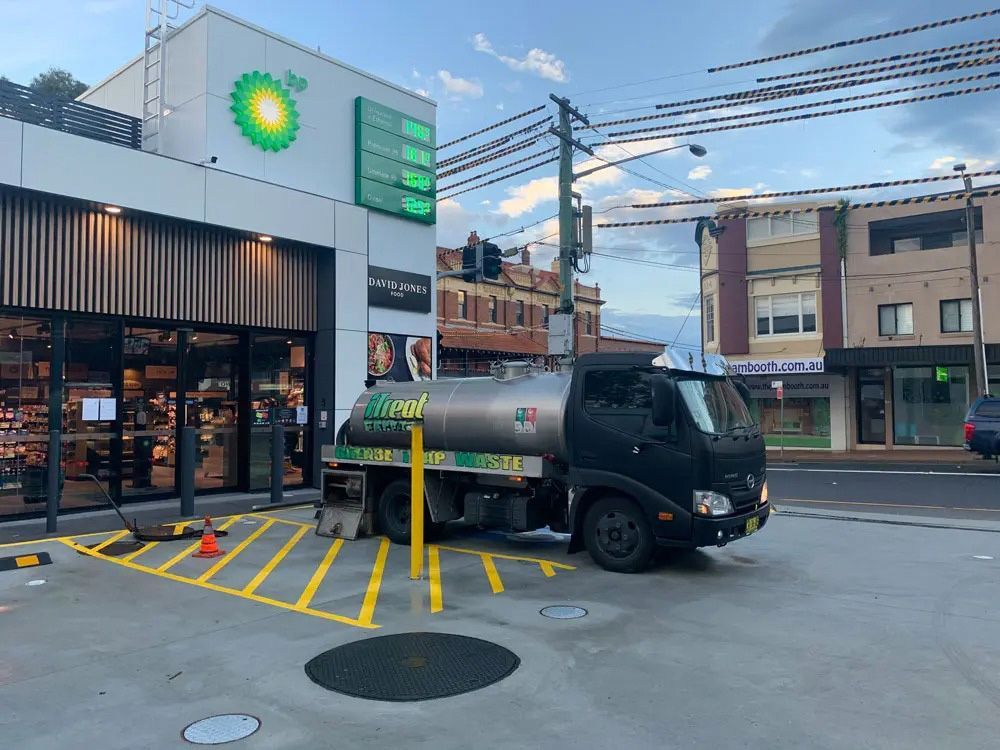
Common users include automotive workshops, transport depots, service stations, wash bays, industrial facilities, equipment yards and sites where rainwater or wash water may contact oil. The separator helps these businesses control contaminants before wastewater leaves the treatment system.
Why does the separator need cleaning?
The oil and sludge do not disappear. They remain inside the unit and gradually reduce its working capacity. If they are not pumped out, wastewater has less time and space to separate, increasing the risk of odours, slow drainage, carryover and overflow.
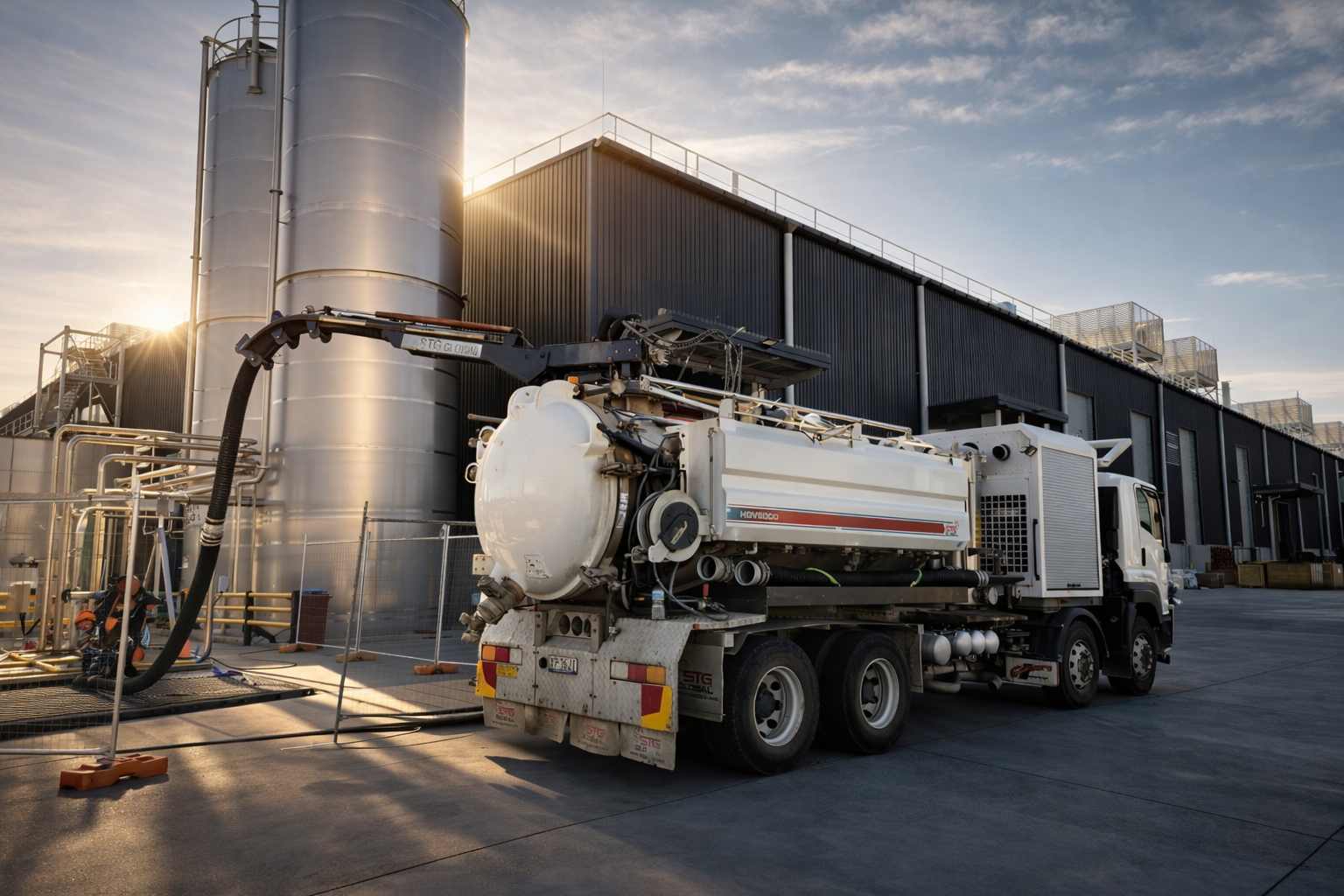
Professional servicing generally involves removing oily water and sludge, cleaning accessible components, inspecting filters or coalescing media where applicable, and transporting the waste for appropriate treatment or disposal.
What an oil-water separator cannot fix by itself
A separator is only one part of a site’s wastewater controls. Incorrect chemicals, detergents that emulsify oil, damaged components, excessive flow and unsuitable waste inputs can all reduce performance. The system must match the waste being produced and be maintained accordingly.
Frequently asked questions
Does an oil-water separator remove every type of oil?
No. Standard systems are mainly designed for free oils. Dissolved or stable emulsified oils may require additional or specialised treatment.
How often should it be serviced?
There is no universal interval. Servicing depends on the separator’s design, waste volume, site activity, manufacturer guidance and applicable wastewater requirements.
Who removes the collected waste?
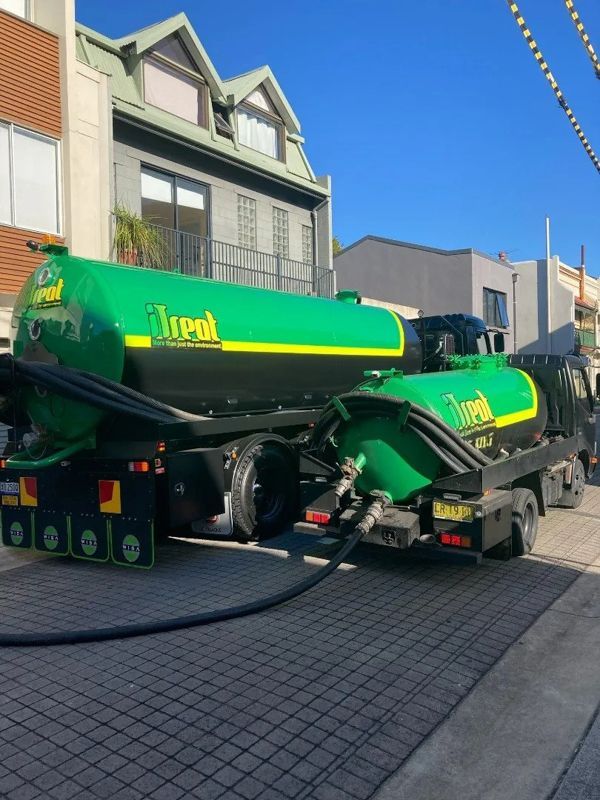
A suitably equipped liquid waste provider can pump out the separator and transport the contents through an appropriate treatment and disposal process.
Need oil-water separator support in Sydney?
iTreat provides oil-water separator cleaning and maintenance across Sydney. Contact our team to arrange a pump-out or discuss a maintenance schedule for your facility.